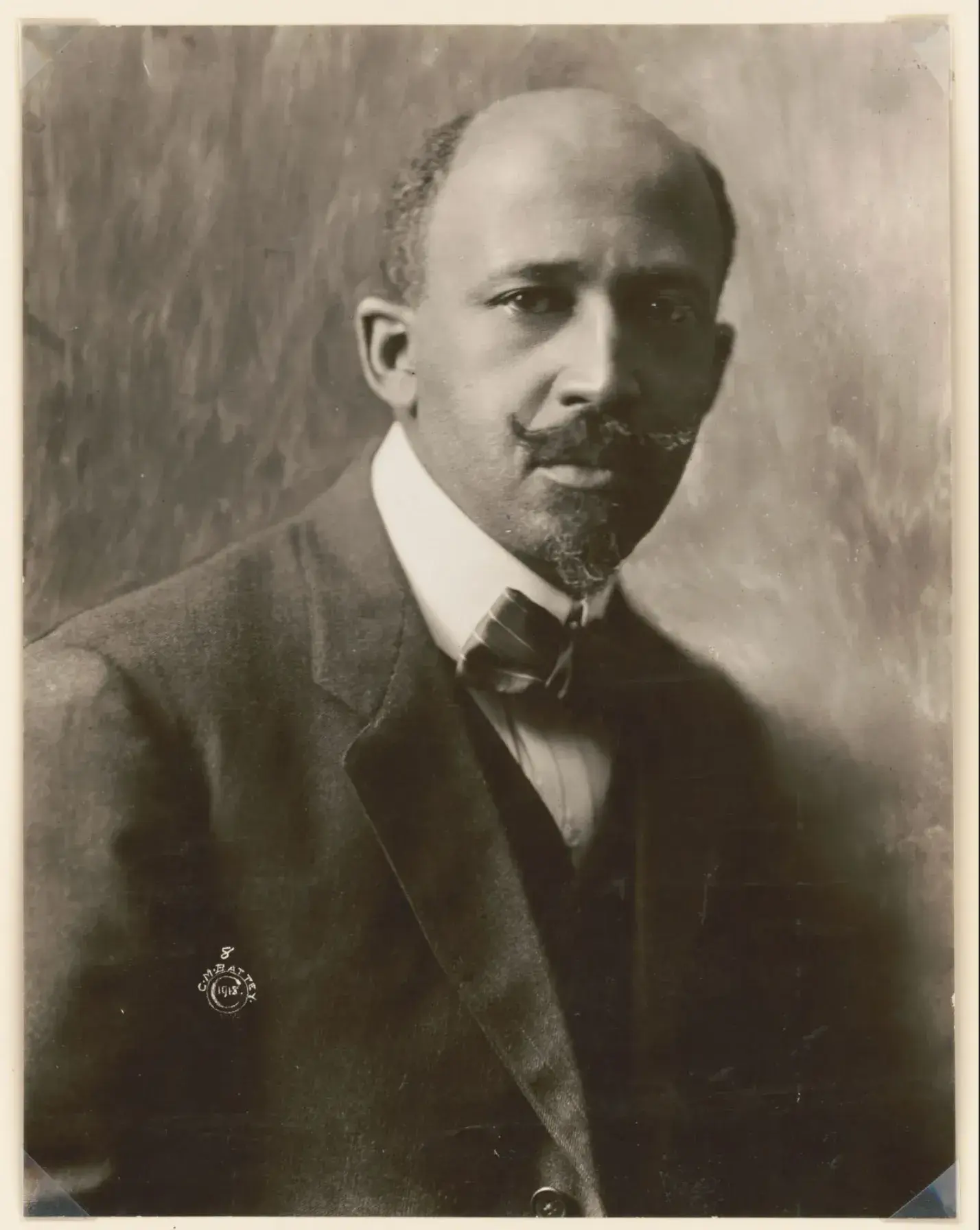
The air in Accra’s Cantonments district carries a specific weight—a stillness that feels intentional, as if the very atmosphere knows it guards one of the 20th century’s most profound intellectual legacies. Here, at No. 22, 1st Circular Road, lies the final chapter of William Edward Burghardt Du Bois, a man whose life spanned from the Reconstruction era of the United States to the dawn of African independence.
A Citizen of the World
By 1961, Du Bois had spent nearly a century fighting for the soul of black America. A co-founder of the NAACP and the driving force behind the Niagara Movement, he was already an titan of sociology and civil rights. However, increasingly disillusioned by the persistent shadow of American McCarthyism and the slow pace of racial justice, he turned his gaze toward the "Rising Sun" of Africa.
At the personal invitation of President Kwame Nkrumah—Ghana's first head of state and a fellow Pan-Africanist—Du Bois made the monumental decision to leave the United States. At the age of 93, he moved to Accra, not as a visitor, but as a returning son. In 1963, he formally renounced his American citizenship and became a citizen of Ghana, declaring it the home of his heart.
"I am the soul of the world, and I am the heart of the race... I have a word to say to my people, and I must say it before I go."
The Encyclopedia Africana
Du Bois did not move to Ghana to retire. He moved to complete his life's most ambitious scholarly work: the Encyclopedia Africana. Nkrumah provided the funding and the residence to ensure that the "Father of Pan-Africanism" could document the history, culture, and achievements of the African diaspora through an African lens.
Working from his sun-drenched bungalow with his wife, Shirley Graham Du Bois, he curated a library of over 1,000 volumes, many of which still sit on the shelves of the memorial centre today. His aim was to dismantle the Eurocentric narratives that had long erased the contributions of Africa from global history.
The Final Horizon
On August 27, 1963, W.E.B. Du Bois passed away peacefully in his home in Accra at the age of 95. The timing was almost poetic—he died on the eve of the historic March on Washington for Jobs and Freedom. As hundreds of thousands gathered at the Lincoln Memorial to hear Dr. Martin Luther King Jr. speak of a "Dream," the news of Du Bois’s passing reached the podium. A moment of silence was held for the man who had laid the foundation for the very stage they stood upon.
Du Bois was honored with a state funeral in Ghana, a gesture fitting for a man who had become a spiritual grandfather to the continent's independence movements.
Visiting the Legacy Today
Today, the W.E.B. Du Bois Memorial Centre for Pan-African Culture stands as a beacon for travelers and scholars alike. Visitors can walk through his living quarters, see the academic regalia he wore at his numerous honorary degree ceremonies, and sit in the garden where he spent his final afternoons.
The Centre houses his personal effects, including his favorite walking sticks and the desk where the Encyclopedia began to take shape. Adjacent to the home is the mausoleum where he and Shirley are interred together, a site of pilgrimage for those seeking to connect with the roots of the modern Pan-African movement.
Traveler's Note
The Du Bois Centre is a mandatory stop on our "Ghana Heritage" itinerary. We recommend visiting in the early morning to enjoy the tranquility of the library and gardens in Cantonments.
Explore Ghana Itineraries