A safari is a privilege, a brief immersion into an ecosystem that operates on its own ancient rhythms. To truly experience it, one must become an observer, not a disruptor. Here is your definitive guide to safari etiquette.
1. The Golden Rule: Silence is Everything
Wildlife gets startled easily. Human voices are unnatural in the bush and will quickly cause animals to retreat. When observing animals, keep conversations to an absolute whisper. If you need to point something out to the guide, do so quietly and use clock directions (e.g., "Lion at 3 o'clock"). Also, silence your phone and camera focus beeps.
2. Blend In (The Khaki Rule)
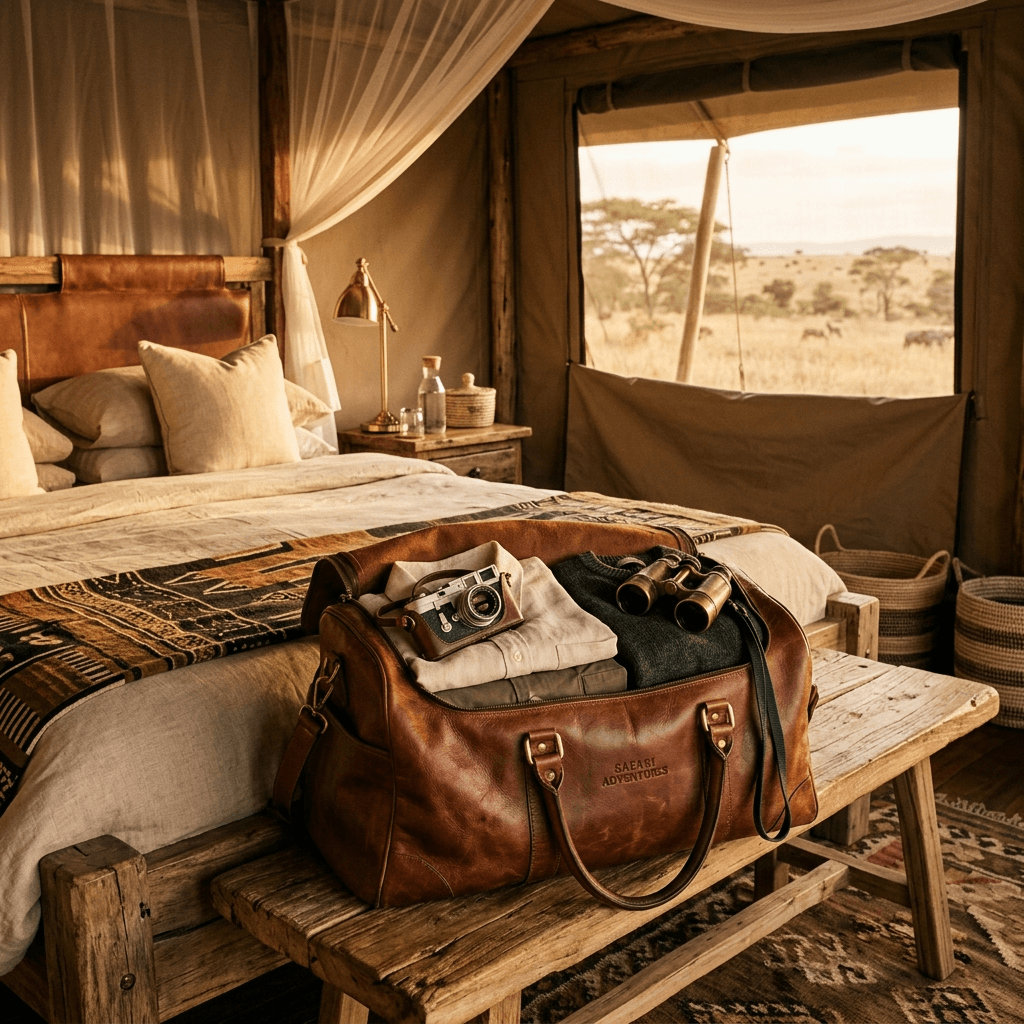
We've covered this in the packing guide, but it bears repeating. Animals notice stark contrasts. Bright reds, pure whites, and neon colors alert prey animals and annoy predators. Even worse, dark blue and black attract tsetse flies. Stick strictly to earthy tones—khaki, tan, olive, and brown.
3. Never Stand Up Unannounced
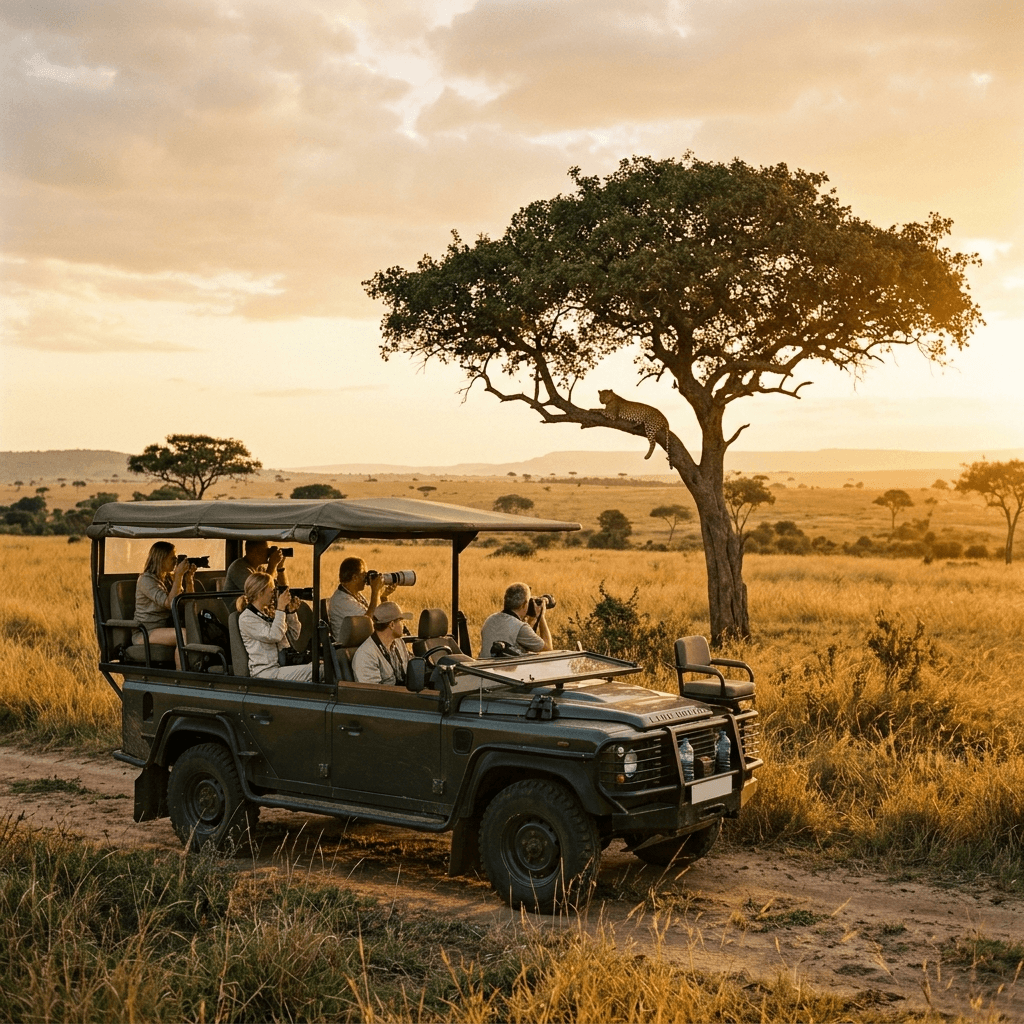
Predators view a safari vehicle as a single, large, non-threatening entity. If you stand up suddenly, break the silhouette of the vehicle, or lean dangerously far out of the window, you immediately become an individual target and a threat. Always ask your ranger before standing up or shifting sides quickly.
Photography Etiquette
Never use flash photography near animals, especially predators on night drives. It disorients them and ruins their night vision. Turn off your AF assist beam (that annoying red or green light). Keep your shutter set to silent or electronic if possible.
The Ranger is the Law
Your guide is highly trained. If they say to sit down, sit down immediately. If they back the vehicle away from an agitated elephant, do not ask them to go closer for a better photo. Their primary job is your safety and the animal's welfare.
4. Patience Yields the Best Sightings
Nature does not operate on a schedule or perform on cue. Many travelers expect non-stop action like a nature documentary. The reality is that much of a safari involves driving, tracking, and waiting. If you spot a leopard sleeping in a tree, stay with it. The magic happens when you sit quietly for 45 minutes and finally watch it descend to hunt.
5. Leave No Trace
Take nothing but photographs, leave nothing but footprints. Do not drop tissues out of the vehicle. Do not toss apple cores or fruit peels into the bush "because they are biodegradable" (they introduce foreign seeds and habituate animals to human food). If you bring it into the reserve, take it out.